



The Ultimate Esthetician Glass Skin Guide: Professional Secrets for Flawless Complexion Revealed

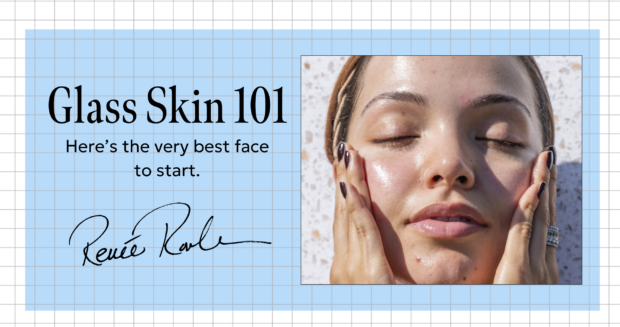
Glass skin represents the pinnacle of skincare achievement—a complexion so smooth, clear, and luminous that it appears translucent like glass. This comprehensive esthetician guide reveals professional secrets and proven techniques to help you achieve this coveted flawless complexion through strategic skincare practices and expert treatments.
Understanding Glass Skin
Definition and Characteristics
Glass skin is a Korean beauty concept describing skin that appears poreless, dewy, and virtually transparent with an inner glow. This flawless complexion exhibits several key characteristics: zero visible pores, even skin tone, absence of blemishes or dark spots, and a natural luminosity that reflects light beautifully. Unlike matte or powdered finishes, glass skin maintains a healthy, hydrated appearance that looks naturally radiant without heavy makeup.
Professional estheticians recognize glass skin as the result of optimal skin health rather than surface-level cosmetic enhancement. This complexion indicates proper hydration levels, balanced oil production, and a strong skin barrier that functions effectively to maintain skin clarity and smoothness.
Why Glass Skin is Desired
The appeal of glass skin extends beyond aesthetics to represent overall skin health and vitality. This flawless complexion requires minimal makeup coverage, allowing natural beauty to shine through while reducing daily beauty routine time and product dependence. Glass skin also photographs beautifully, appearing luminous and healthy in both natural and artificial lighting conditions.
From a professional perspective, achieving glass skin demonstrates mastery of skincare fundamentals and commitment to long-term skin health. This complexion type ages gracefully, maintaining its luminous quality longer than skin that relies heavily on makeup or surface treatments for appearance enhancement.
Key Components of a Glass Skin Routine
A successful glass skin routine requires consistent daily practices that address multiple aspects of skin health simultaneously. Professional estheticians emphasize that achieving this flawless complexion demands patience, consistency, and high-quality products that work synergistically to enhance skin function and appearance.
The foundation of any effective glass skin routine includes gentle cleansing, strategic exfoliation, intensive hydration, and protective measures that maintain skin barrier integrity. Each component serves a specific purpose in creating the smooth, clear, luminous complexion characteristic of true glass skin.
Daily Skincare Practices
Cleansing
Professional glass skin routines begin with double cleansing—a two-step process that thoroughly removes makeup, sunscreen, and environmental pollutants without stripping the skin’s natural moisture barrier. Start with an oil-based cleanser to dissolve makeup and sebum, followed by a gentle water-based cleanser to remove remaining impurities and prepare skin for subsequent treatments.
Choose cleansers with pH levels between 5.0-6.0 to maintain skin’s natural acid mantle while effectively removing dirt and debris. Avoid harsh sulfates or strong detergents that can compromise the skin barrier and interfere with achieving the smooth, healthy appearance essential for glass skin.
Exfoliating
Strategic exfoliation removes dead skin cells that can create texture irregularities and dullness, revealing the smooth, luminous surface beneath. Professional estheticians recommend chemical exfoliants like AHA (alpha hydroxy acids) or BHA (beta hydroxy acids) over physical scrubs for achieving glass skin results.
Use chemical exfoliants 2-3 times weekly, starting with lower concentrations and gradually increasing as skin tolerance develops. This approach prevents over-exfoliation while promoting cell turnover that creates the refined, poreless appearance characteristic of flawless glass skin.
Hydration
Intensive hydration forms the cornerstone of any successful glass skin routine, creating the plump, dewy appearance that defines this complexion type. Layer multiple hydrating products, starting with lightweight essences or toners, followed by serums containing hyaluronic acid or glycerin, and finishing with appropriate moisturizers.
Professional estheticians recommend the “seven-skin method”—applying multiple thin layers of hydrating toner to build moisture levels gradually. This technique creates the glass skin glow from within while ensuring optimal hydration without heaviness or greasiness.
Evening Routine Essentials
Serums and Treatments
Evening routines provide opportunities for intensive treatments that support glass skin development through targeted active ingredients. Vitamin C serums brighten and even skin tone, while niacinamide reduces pore appearance and regulates oil production. Retinol or retinoid treatments accelerate cell turnover and improve skin texture over time.
Apply active ingredients in order of consistency, from thinnest to thickest, allowing adequate absorption time between layers. Professional estheticians recommend introducing new actives gradually to prevent irritation that could compromise glass skin progress.
Moisturizers
Evening moisturizers for glass skin should provide intensive hydration while supporting overnight skin repair processes. Look for formulas containing ceramides, peptides, or growth factors that strengthen the skin barrier and promote the smooth, refined texture essential for flawless complexion achievement.
Apply moisturizer to slightly damp skin to enhance absorption and create the dewy finish characteristic of glass skin. This technique helps lock in hydration while creating the luminous glow that defines this coveted complexion type.
Importance of Skin Barrier Repair
What Is the Skin Barrier?
The skin barrier consists of dead skin cells bound together by lipids, forming a protective layer that prevents water loss and blocks harmful environmental factors. A healthy skin barrier maintains optimal hydration levels while protecting against irritation, infection, and premature aging—all essential factors for achieving and maintaining glass skin.
Professional estheticians recognize that compromised skin barriers cannot achieve true glass skin, regardless of product quality or routine consistency. Barrier repair must be prioritized before pursuing advanced treatments or active ingredients that could further compromise skin integrity.
How to Repair the Skin Barrier
Barrier repair requires gentle, consistent care focused on rebuilding lipid levels and reducing inflammation. Eliminate harsh products, over-exfoliation, and irritating ingredients while introducing barrier-supporting elements like ceramides, cholesterol, and fatty acids.
Use gentle, fragrance-free products and avoid excessive manipulation or aggressive treatments during the repair phase. Professional estheticians recommend focusing on hydration and protection for 4-6 weeks before introducing active ingredients or advanced treatments.
Recommended Ingredients for Barrier Repair
Key barrier-repair ingredients include ceramides (which restore lipid levels), niacinamide (which reduces inflammation and strengthens barrier function), and hyaluronic acid (which maintains optimal hydration). Centella asiatica and allantoin provide anti-inflammatory benefits that support healing and repair processes.
Professional-grade products often combine multiple barrier-supporting ingredients for enhanced effectiveness. Look for formulations that include prebiotics or postbiotics, which support the skin microbiome and contribute to overall barrier health essential for glass skin achievement.
The Role of Facial Massage
Techniques for Effective Facial Massage
Professional facial massage techniques enhance circulation, promote lymphatic drainage, and improve product absorption—all contributing factors to glass skin development. Use upward and outward motions, starting from the center of the face and moving toward the hairline and jawline.
Incorporate tools like gua sha stones or jade rollers to enhance massage effectiveness while providing cooling, soothing sensations. Apply gentle, consistent pressure without pulling or stretching the skin, which could contribute to premature aging or irritation.
Benefits for Glowing Skin
Regular facial massage increases blood flow to skin tissues, delivering essential nutrients and oxygen while removing metabolic waste products. This enhanced circulation creates the natural glow and vitality characteristic of glass skin while supporting overall skin health and function.
Massage also helps reduce facial tension and stress, which can contribute to skin issues like breakouts or inflammation. The relaxation benefits of facial massage support the holistic wellness approach necessary for achieving and maintaining flawless complexion results.
Incorporating Facial Massage into Your Routine
Perform facial massage during your evening skincare routine when you have adequate time for thorough application. Use facial oils or serums as massage mediums to prevent friction while enhancing product absorption and effectiveness.
Professional estheticians recommend 5-10 minutes of daily facial massage, focusing on areas prone to tension or congestion. Consistency is key for seeing glass skin benefits, as regular massage creates cumulative improvements in circulation and skin appearance over time.
Sun Protection for a Flawless Complexion
Why Sunscreen Is Essential
Sun protection forms the foundation of any serious glass skin routine, as UV damage directly contradicts the clear, even-toned complexion characteristic of this skin type. Daily sunscreen application prevents hyperpigmentation, premature aging, and skin texture irregularities that interfere with glass skin achievement.
Professional estheticians emphasize that no skincare routine can overcome ongoing UV damage, making sun protection non-negotiable for flawless complexion maintenance. Consistent sunscreen use preserves the results of other glass skin treatments while preventing future damage accumulation.
Choosing the Right Sunscreen
Select broad-spectrum sunscreens with SPF 30 or higher that provide protection against both UVA and UVB rays. Mineral sunscreens containing zinc oxide or titanium dioxide offer excellent protection for sensitive skin, while chemical sunscreens may provide more cosmetically elegant application for daily wear.
Look for sunscreens that complement your glass skin routine by providing additional hydrating or anti-aging benefits. Many modern formulations include antioxidants, peptides, or hydrating ingredients that support overall skin health while providing essential UV protection.
Tips for Reapplication
Reapply sunscreen every two hours during sun exposure, using approximately one-quarter teaspoon for face and neck coverage. For makeup wearers, powder sunscreens or setting sprays with SPF provide convenient reapplication options that don’t disturb existing makeup.
Professional estheticians recommend keeping travel-size sunscreens in cars, purses, and offices to ensure consistent reapplication throughout the day. This commitment to ongoing sun protection preserves glass skin results and prevents damage accumulation that could compromise complexion clarity.
Beauty Treatments for Enhanced Glass Skin
Professional Facials
Professional facials provide deep cleansing, exfoliation, and hydration that exceed at-home capabilities, accelerating glass skin development through expert techniques and professional-grade products. HydraFacials, oxygen facials, and custom treatments address individual skin concerns while promoting the smooth, luminous complexion characteristic of glass skin.
Schedule professional facials monthly during active glass skin development phases, then transition to quarterly maintenance appointments once desired results are achieved. Professional estheticians can adjust treatments based on skin response and seasonal needs.
Chemical Peels
Light chemical peels using glycolic acid, lactic acid, or salicylic acid remove damaged surface cells while stimulating cellular renewal that creates smoother, more refined skin texture. Professional-strength peels provide more dramatic results than at-home alternatives while ensuring safe, controlled application.
Start with mild peels and gradually increase strength as skin tolerance develops. Professional estheticians monitor skin response and adjust treatment intensity to achieve optimal glass skin results without causing irritation or complications.
Microneedling
Microneedling creates controlled micro-injuries that stimulate collagen production and improve product absorption, resulting in smoother skin texture and enhanced radiance. This treatment effectively addresses enlarged pores, fine lines, and skin irregularities that interfere with glass skin achievement.
Professional microneedling sessions provide superior results compared to at-home devices, using sterile, professional-grade equipment and appropriate needle depths for individual skin types. Combine microneedling with hydrating serums or growth factors for enhanced glass skin benefits.
Maintaining Glass Skin Over Time
Lifestyle Tips
Achieving lasting glass skin requires lifestyle modifications that support overall skin health from within. Maintain adequate hydration by drinking 8-10 glasses of water daily, and consume antioxidant-rich foods that protect against environmental damage and support cellular repair processes.
Prioritize quality sleep, as skin repair and regeneration occur primarily during rest periods. Manage stress through exercise, meditation, or other healthy outlets, as chronic stress can trigger inflammatory responses that compromise glass skin appearance and development.
Adjusting Your Routine with Seasons
Seasonal changes require routine modifications to maintain glass skin results year-round. Winter weather demands increased hydration and barrier protection, while summer conditions may require lighter formulations and enhanced sun protection measures.
Professional estheticians recommend adjusting product concentrations and frequencies based on environmental conditions and skin response. Monitor skin carefully during seasonal transitions and modify routines proactively to prevent glass skin setbacks.
Common Mistakes to Avoid
Avoid over-exfoliation, which can compromise the skin barrier and create texture irregularities that interfere with glass skin development. Resist the temptation to introduce multiple new products simultaneously, as this can cause irritation or make it difficult to identify effective ingredients.
Don’t expect immediate results, as true glass skin development requires 3-6 months of consistent effort. Professional estheticians emphasize patience and consistency over aggressive treatments that may provide quick fixes but compromise long-term skin health and glass skin sustainability.
Glass skin represents the ultimate achievement in skincare—a flawless complexion that radiates health and vitality from within. By following these professional secrets and maintaining consistent, gentle care, you can develop and preserve the luminous, poreless appearance that defines this coveted skin type. Remember that achieving glass skin is a journey requiring patience, dedication, and professional guidance when needed.
